Competing in PwC Capture The Flag
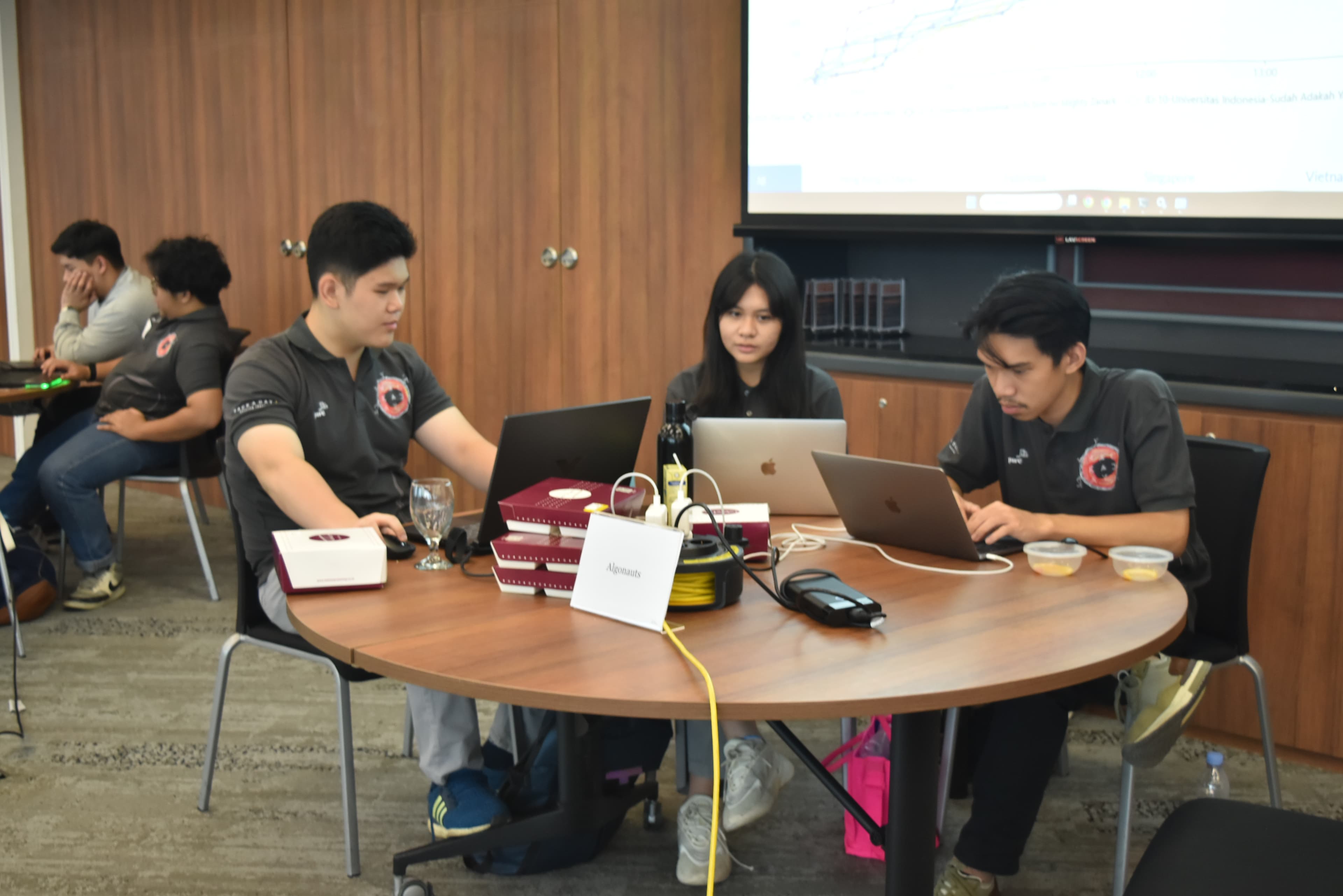
The adrenaline rush of a Capture The Flag (CTF) competition is something every tech enthusiast should experience at least once. When PwC Indonesia announced their annual Hackaday CTF event, I knew I had to participate. Little did I know, it would become one of my most memorable experiences in cybersecurity.
What is Capture The Flag?
For those unfamiliar, CTF is a cybersecurity competition where participants solve challenges to find hidden "flags"—usually strings of text that prove you've successfully exploited a vulnerability or solved a puzzle. It's like a digital treasure hunt, but with hacking.
Categories typically include:
- Web Exploitation: Finding vulnerabilities in web applications
- Cryptography: Breaking encryption and decoding messages
- Reverse Engineering: Analyzing binaries to understand their behavior
- Forensics: Investigating digital artifacts and recovering data
- OSINT: Open-source intelligence gathering
The PwC Experience
What made the PwC CTF special was its professional setting. This wasn't just a student competition—it was organized by one of the Big Four consulting firms, with challenges designed by real cybersecurity professionals. The stakes felt higher, and the learning opportunities were immense.
Walking into the event, I was struck by the diversity of participants. From university students to working professionals, everyone shared a common passion for cybersecurity. The energy was electric.
Challenges That Tested My Limits
Some challenges had me scratching my head for hours. I remember one web exploitation challenge where I had to chain multiple vulnerabilities together—SQL injection leading to file upload, then using that to achieve remote code execution. It required patience, persistence, and plenty of coffee.
The cryptography challenges were particularly fun. There's something deeply satisfying about cracking an encrypted message and watching the plaintext emerge. Each solved challenge felt like unlocking a secret.
Key Takeaways
Beyond the technical skills, the CTF taught me valuable lessons:
- Think like an attacker: To defend systems, you need to understand how they can be exploited
- Documentation is key: Keeping notes on your approach helps when you hit dead ends
- Teamwork matters: Different perspectives can crack problems that seem impossible alone
- Stay humble: There's always more to learn in cybersecurity
The Cybersecurity Path
Participating in the PwC CTF solidified my interest in cybersecurity. It's not just about hacking—it's about understanding systems at a fundamental level. Every application, every network, every piece of software has potential vulnerabilities, and the work of security professionals is to find and fix them before the bad guys do.
Since then, I've continued practicing on platforms like HackTheBox and TryHackMe. The CTF was just the beginning of a journey that I'm excited to continue.
Advice for Aspiring CTF Players
If you're interested in CTF competitions, here's my advice:
- Start with beginner-friendly platforms like PicoCTF or OverTheWire
- Learn the fundamentals of networking, programming, and operating systems
- Join a team or community—learning with others accelerates growth
- Don't be afraid to fail—every failed attempt teaches you something
- Have fun! CTF is meant to be challenging but enjoyable
See you at the next CTF! 🚩